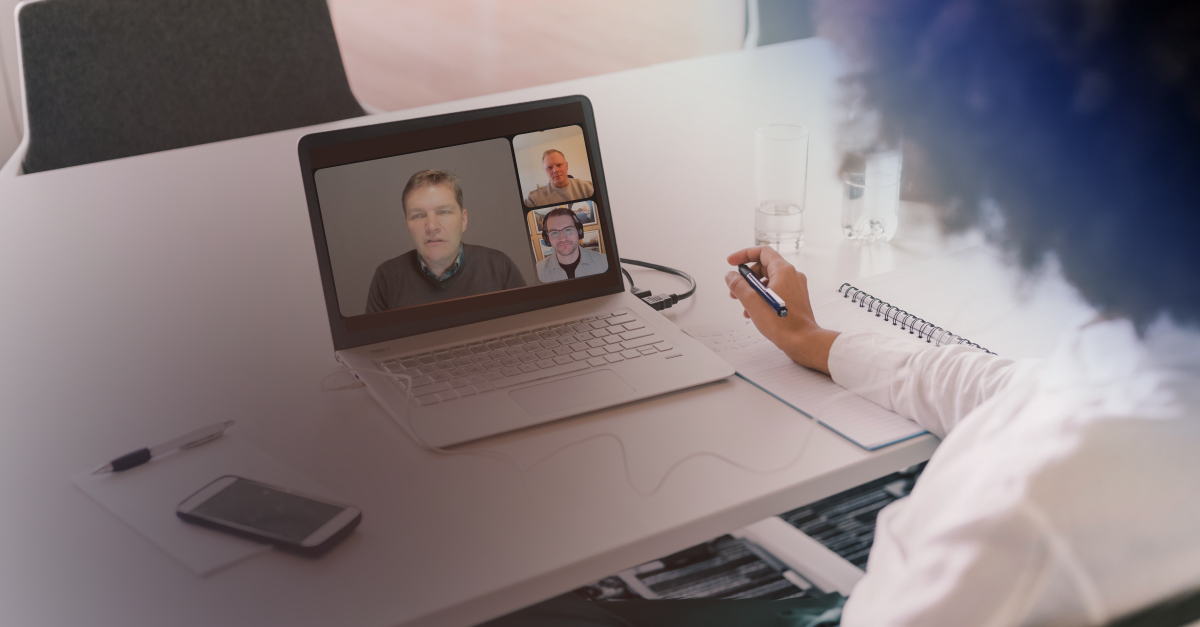
A conversation with Cristian Salanti, Digital Workplace Strategist
Here's an uncomfortable truth about most BPM initiatives: the process works on paper and fails in practice — not because the software is broken, but because it was never actually built around the people expected to use it.
Roughly 70% of BPM programs fail to deliver the value they promised. Organizations pour significant budget into workflow platforms, spend months configuring them, and then watch adoption quietly collapse. Employees pick up the phone. They send emails. They build their own workarounds. The platform sits there, technically functional, practically invisible. And when leadership asks why, the answer is almost always the same: the tools were designed for the process owners, not the people doing the work.
We recently sat down with Cristian Salanti — a digital workplace strategist with deep experience helping large organizations redesign how their people work — to talk about why this keeps happening and what it actually takes to fix it. James Davies, CEO of Kinetic Data, joined the conversation. What unfolded was a 33-minute diagnosis of one of enterprise IT's most persistent and expensive blind spots.
The core argument Cristian makes is simple and damning: most organizations think in systems, and employees think in tasks. Those two things are almost never the same. When a company rolls out a new HR platform, they announce it by its product name — SuccessFactors, Power Apps, Workday. But the average employee doesn't care what the system is called. They just want to record their timesheet, request time off, or get reimbursed for a business expense. When the tool they're handed doesn't speak that language, they don't learn the tool's language. They just stop using it.
James echoes this from years of implementation experience: organizations consistently treat user experience as the last item on the project plan rather than the first. The business has a problem, IT picks a system, the system gets configured, and then — almost as an afterthought — someone asks what the user interface should look like. By that point, the decisions that determine the actual experience have already been made. The result is a portal that technically does what it was designed to do, but that nobody wants to use.
What both Cristian and James are pointing toward is a fundamental shift in how organizations need to approach this: stop designing from the system outward and start designing from the employee inward. That means building an experience layer that the organization actually owns — one that sits above the underlying tools, hides the complexity behind them, and presents employees with something that feels less like enterprise software and more like a service designed for them. As James puts it: employees don't care that you got a new HR system. They care that requesting time off is easy. If you can deliver that, it almost doesn't matter what's running underneath.
The conversation also surfaces something that doesn't get talked about enough in digital transformation circles: this is fundamentally a mindset problem, not a technology problem. The best platform in the world won't save a project where the people building the experience have never actually sat in the employee's chair. Cristian calls it the difference between an HQ-centric organization and an employee-centric one — and he's direct about the fact that most companies believe they're the latter while operating like the former.
Watch the full conversation above. And if the shopping mall analogy Cristian introduces doesn't permanently change the way you think about digital workplace design, we'd be surprised.